


How producing Dairy impacts animals
"The dairy cow is exposed to more abnormal physical demands than any farm animal."
~ Professor John Webster, Emeritus Professor of Animal Husbandry at the University of Bristol
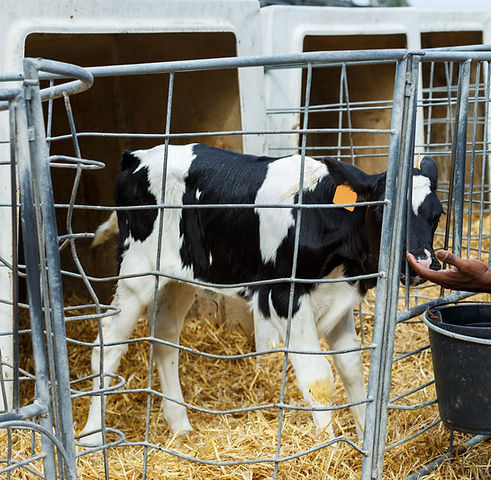
Did you know cows only produce milk for their newborn calves? In the dairy industry, cows are artificially inseminated and give birth, only to have their calves taken away within a day. While their milk is collected for human consumption, male calves, who can't produce milk, are often considered 'waste' and sent to slaughter within their first week of life.

Forced Pregnancies
TO PRODUCE MILK, COWS MUST GIVE BIRTH TO A CALF
Cows, like all mammals, need to give birth to produce milk.
In today's dairy industry, cows are artificially inseminated every 13 months to keep milk production high. This procedure is invasive, involving manually positioning the cow's cervix.
After carrying their calf for nine months, this cycle begins anew.


Separation of Calves
SEPARATING CALVES FROM THEIR MOTHERS
The Australian Dairy industry recommends that dairy calves be forcibly removed from their mothers within 12 hours of birth.
Cows can form powerful maternal bonds with their babies, a process that, in nature, ensures they stay close and protect their vulnerable young.
Separation of calf and mother is incredibly stressful to both calf and mother. Cows may bellow and search for their calf where they last were. Separation before natural weaning has been proven harmful to calves, who demonstrate increased heart rates and vocalisations.
Calves as waste Products
MALE & UNWANTED FEMALE CALVES ARE CONSIDERED WASTE PRODUCTS
Every year in Australia, the forced pregnancies of dairy cows results in the birth of hundreds of thousands of calves.
Around 3/4 of female calves are kept to replace the milking herd. Most male calves and surplus females are considered "wastage".
Each year, around 800,000 of these unwanted calves are born. Some are kept for rearing, and 66,000 are killed straight after birth (usually by blunt force trauma with a hammer, a legal and routine practice on Australian dairy farms).
Around 623,000 more are given one last feed and loaded onto trucks headed to sale yards or slaughterhouses. These calves are typically killed for pet food, leather goods, the pharmaceutical industry, or processed into pink veal for human consumption.
Modern Milk Production
BOOSTING PRODUCTION AT A COST
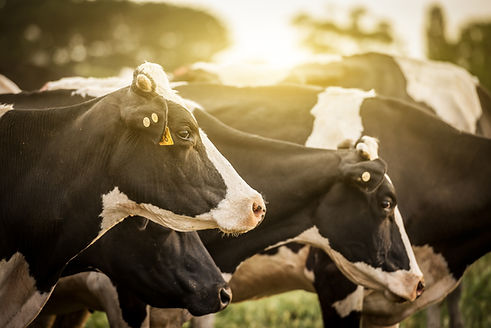
Over the past 30 years, the Australian dairy cow has more than doubled her lactation from 2,848 litres to an astounding 6,203 litres of milk annually.
This has been achieved through selective breeding, a process that has made her more profitable but disastrously impacted her welfare. The physical effort of producing 35 litres of milk per day can be compared to a person jogging for six hours seven days a week, yet today's dairy cow produces 30-50 litres a day, with some even producing up to 60 litres of milk a day.
Between the repeated impregnations, separations and this massive level of milk production, it is no wonder why dairy cows become worn out well before they reach their natural lifespan of 20 years.
Most dairy cows are sent to slaughter at just seven years of age.
Goat Dairy
WHAT ABOUT GOAT DAIRY?
Producing dairy products from goats shares many of the same issues as creating dairy from cows. Female goats are repeatedly impregnated, separated from their kids, and the male kids, if not raised to be slaughtered for their meat, will be killed shortly after birth.
Goat dairy is a much smaller industry than cow dairy in Australia; however, the 68 farms around Australia produce 16 million litres of goat's milk each year.
